Showing posts with label Non-Fiction Text Structures. Show all posts

Wednesday, December 20, 2017

For the Love of Mentor Texts - Jennifer Sniadecki

Welcome to another guest post in my series For The Love of Mentor Texts here at Teach Mentor Texts. I love to talk about the power of mentor texts to impact our writing but I'm thrilled to have friends share how they use mentor texts for a fresh perspective. Today I'm excited to share thoughts from Jennifer Sniadecki about how she uses mentor texts to share organization structures with students.

Would you like to write a guest post for For The Love of Mentor Texts? Just let me know by filling out this simple form

*********************************


Using Mentors Texts to Teach Organization Structures
by Jennifer Sniadecki

I use mentor texts for reading and writing every day in one way or another. As I pondered the purposes of mentor texts in my classroom and personal life, I came to the realization that I needed to categorize my reasons for use. This post attempts to chronicle my favorite mentor texts in terms of teaching (and using) organization and text structures.


ABC/Lists
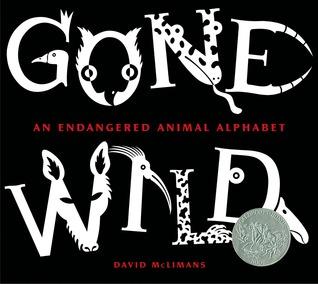
There are so many ABC books on the market! One of my favorites for viewing and providing information on a topic is Gone Wild: An Endangered Alphabet by David McLimans (2006).


Sequencing
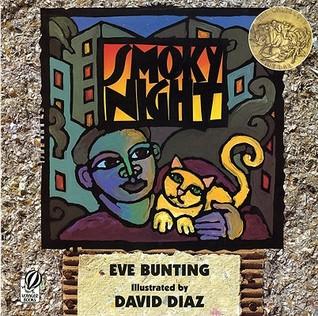
Preventing a writer from drafting “and then,...and then,...” is tough, especially when that writer is drafting a wonderful story with gusto! Let 'em go! When it comes time to revise, I suggest looking at the story again to insert some purposeful organization into the piece. Using Smoky Night by Eve Bunting (1994), I have guided students to show their story with a tight beginning, middle, and end. This book opens with a fabulous lead (another reason to use this story) and guides the reader through the scary experiences of a night when a fire engulfs an apartment building. From beginning to end, this book is a fantastic example of story structure in a time-order sequence.


How-To/Instructions
Students love to tell how to do something that they know well how to do! I've had many a conference where the student excitedly tells me directions: “First, and...and...and...then...then you're done!”
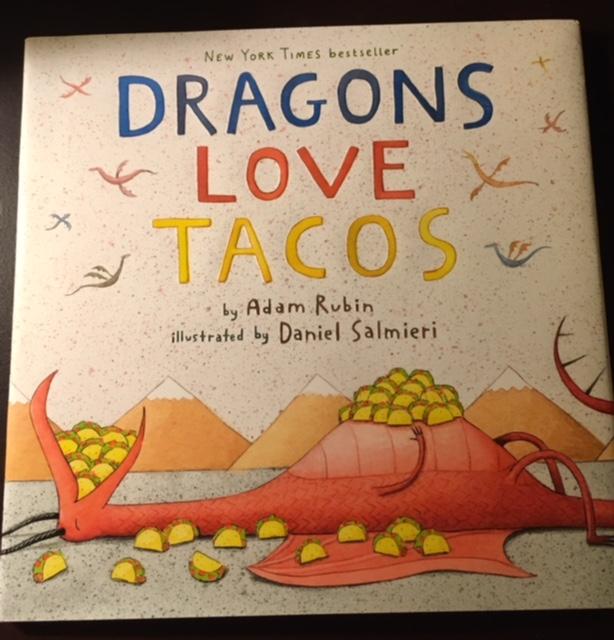
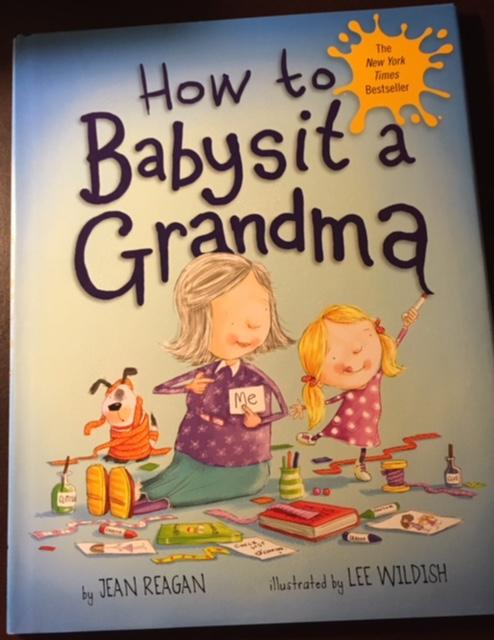
Getting these students to stop the “and” train is the reason I use books like Dragons Love Tacos by Adam Rubin (2012) and How to Babysit a Grandma by Jean Reagan (2014). There are so many ways to tell others what you know already. These two books give writers some good ideas as mentor texts.


Compare/Contrast (Noting Similarities and Differences)
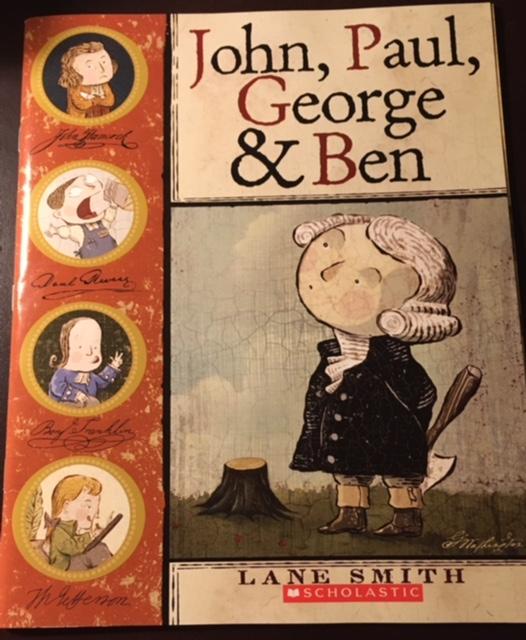
Again, this category provides a plethora of titles to use as mentors for readers and writers. Since compare/contrast consistently shows up in the teaching standards of each state, I consistently keep this book handy: John, Paul, George, and Ben by Lane Smith. Now Lane Smith writes hilarious texts (another reason to use this), but he also describes these four famous-for-history men (another reason – I use these books in many ways across the curriculum) in a way that readers can keep track of each distinct personality.


Letters/Notes/Diaries
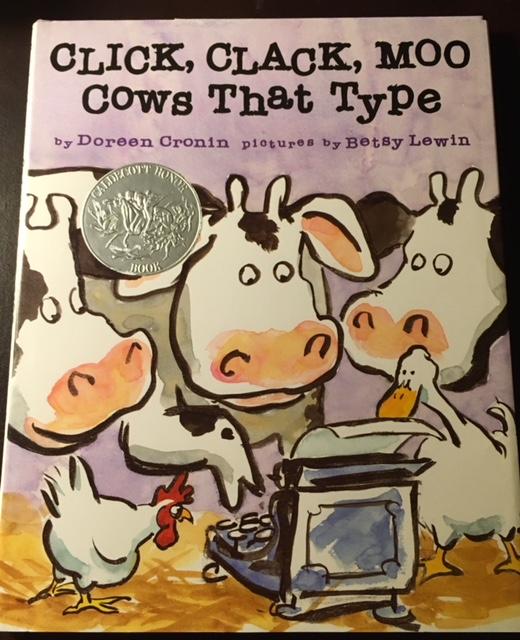
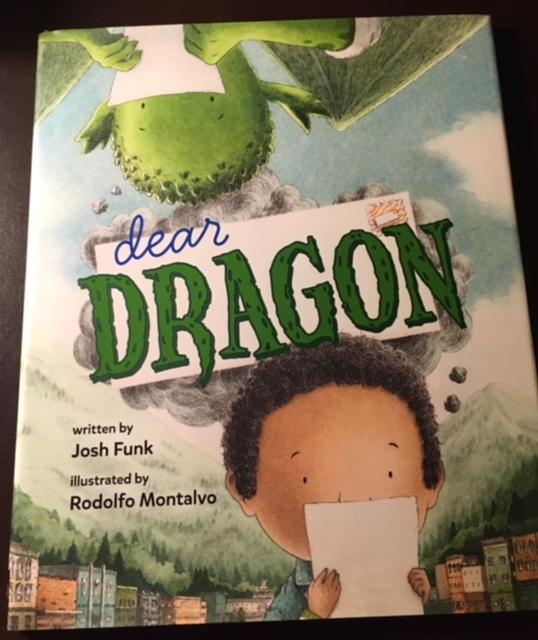
Sometimes students are looking for another way to write, other than paragraphs or long passages. They want to learn something different from the norm, and they are happy for me to suggest something that they (sort of) know already – writing notes! (Well, notes, letters, diaries, etc.) The ol' reliable mentor text for letter writing is Doreen Cronin's Click, Clack, Moo: Cows That Type (2010). The animals and Farmer Brown fight it out. The animals want luxuries to keep them happy on the farm, and Farmer Brown wants eggs and milk. (I love the vocabulary word, “ultimatum,” introduced here, by the “neutral party” duck, too.) If you want to use something new-to-market, I suggest Dear Dragon by Josh Funk (2016). This is a beautiful story of two pen pals, on assignment from their teachers, who finally get to meet at the end of the book. (Sequence order backup – writing through a school year) Another reason I love Dear Dragon is that is a practical mentor text for Parallel Structure, which is more difficult for writers, and I used for older elementary/middle school students.


Parallel Structure
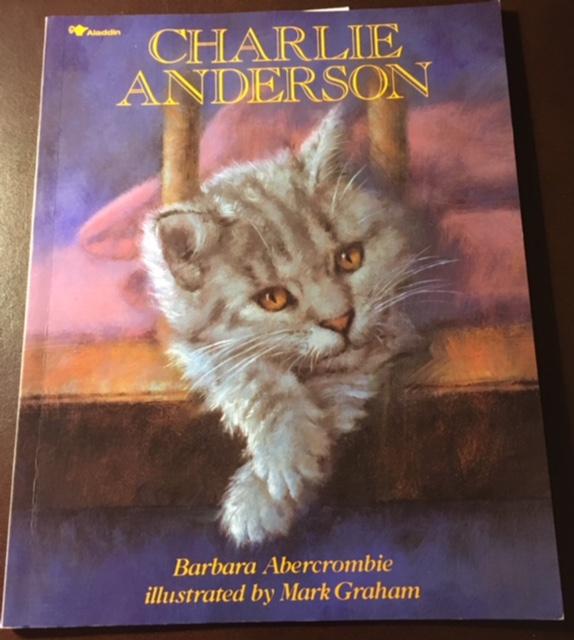
Parallel structures means that different characters in a book are carrying out similar patterns in their plots, all in one text. This is more difficult to teach, but using Dear Dragon helped me because the readers can clearly find the similar activities between the boy and the young dragon. (Plus, it's funny – another reason!) My other go-to text for parallel structure is Charlie Anderson by Barbara Abercrombie (1990). This oldie-but-goodie story of a cat living two separate lives is adorable for all ages.


Flashback
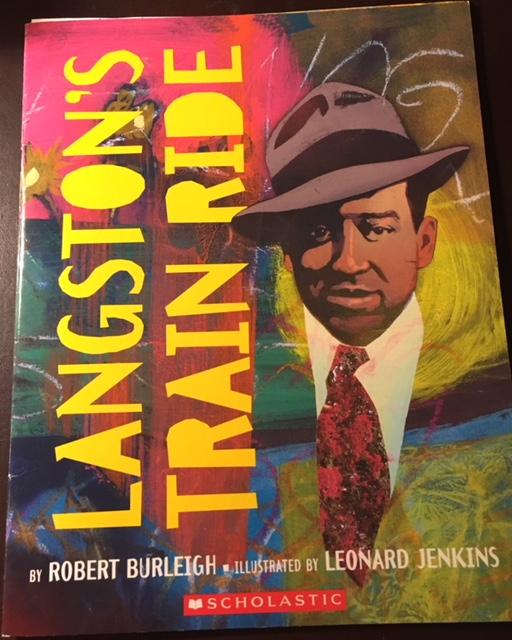
One of the curriculum standards for middle/high school literature surrounds the use of flashbacks in stories. Every year I break out Langston's Train Ride by Robert Burleigh to introduce this text structure. Langston had published his first book of poems and was headed to a party in Harlem to celebrate with his friends. As his shoes click along the sidewalk, he remembers a train ride, his aunt's apple dumplings, the rivers...Ah! No spoilers here! You'll have to read it yourself and add it to your mentor text collection.


I use these texts over and over for many reasons in the reading and writing classroom, and in my own writing life. In this post I have described how I use mentor texts for text organization purposes. Mentor texts are amazing! They are “best friends” (as Lester Laminack says) – and I hope you find your own ways to use these amazing titles in your own classrooms and lives.

Thanks to Jennifer Sniadecki for stopping by to share her love of mentor texts!

Friday, January 20, 2017

Our Country's Presidents: A Complete Encyclopedia of the U.S. Presidency

Title: Our Country's Presidents: A Complete Encyclopedia of the U.S. Presidency
Author: Ann Bausum 
Publisher: National Geographic 
Publication Date: January 10th, 2017 
Genre/Format: Non-Fiction/Informational 
GoodReads Summary: National Geographic presents the 43 individuals who have led the U.S., plus America's newest commander-in-chief, in this up-to-date, authoritative, and lavishly illustrated family, school, and library reference. It features comprehensive profiles of the 43 former presidents along with timelines and descriptions of crucial events during their terms. Information about the 2016 president-elect is also included. 
Thematic spreads cover a variety of topics from the history of voting rights to writing a presidential letter. Full-page portraits, famous quotes, and fascinating facts help kids get to know each leader. This new volume is a fascinating read and excellent reference for students and kids of all ages." 
What I Think: This book is a wealth of knowledge. It's colorful and the photographs are vibrant. It gives information about each of the presidents and his place in history but also ties ideas from the past into our current context. That's what I see as the power of history. We can learn from the past if our discussions come back to what we know now or what is happening now.
     Today is an important day to the United States. It's the inauguration of a new president. We as people should all be aware of history and how our government works, as we all play our part. I'll be reading this book with my own kids, talking about presidents of past and helping them see what they can do to impact local and federal governments. Reading books like this is the one of the best ways to open kids up to the history that has shaped our world and to help them see themselves in it.
     In the section about Barack Obama there is a quote,

"For as long as I live, I will
never forget that in no other
country on Earth is my story even possible."
Barack Obama
March 18, 2008
And that is a great message to celebrate with students. Their story is possible. Even when it might feel like we as citizens are far away from the officials elected to hold office, the truth is, they are people too. Students can reach out to local representatives and senators or others in office locally and connect with them. This is a start to realizing that they are people and that they listen to the people they represent and work for. Now as much as ever, we have to help students see the active role they can take in government matters.
     I'd also recommend reading Our Country's Presidents with Time For Kids' Presidents of the United States to spur even more discussion. The books are similar but different but both share the stories of the presidents of the United States. As with any discussion of history, it's important to gain different perspectives so I wanted to share this resource as an example of how to do this with students.
Writing Prompt: Write about one things you would like to see the president (or even local legislatures) do for the world?

Friday, December 2, 2016

Animal Atlas

Title: Animal Atlast
Author: Virginie Aladjidi
Illustrator: Emmanuelle Tchoukriel
Publisher: Sourcebooks
Publication Date: October 4th, 2016
Genre/Format: Non-Fiction/Atlas - Informational
GoodReads Summary: Did you know that: 
Sea otters can spend months in the water without returning to land? 
Flying fish can glide for 300 ft over the water? 
A Praying Mantis can rotate its head 180 degrees?

Become an expert on all things that swim, fly, walk, hop, slither, and crawl! In a celebration of the many animals that share our planet, this gorgeously illustrated atlas explores over 250 different animals across the seven continents. Learn where different animals live, what they eat, how they communicate, and many more fascinating facts!
What I Think: The setup of Animal Atlas makes it really easy for readers to see where animals live on the Earth. The concept of the Earth being such a big place and understanding where other countries are compared to our is pretty abstract. Animal Atlas is organized so animals are presented with other animals that live near them. Readers can easily see where animals are in the world while also learning about many different animals. This book covers a range of animals, some common and others unique. This book would be a great to use when inviting students to learn about animals in a certain part of the world and could lead into further learning about animals. I work with a 4th grade teacher who did a focused Genius Hour where she let students pick any topic to research as long is it related to the northeast region (which is what their were studying in their SS unit). This book would be great if you want kids to think about researching animals from a certain area of the world and then encourage them to read other texts to learn more about a specific animal they chose.
Snatch of Text: 
"Appaloosa Horse - Equus caballus, Class: mammal
The Appaloosa, with its spotted coat, was brought to American by the Spaniards in the sixteenth century, then raised by the Nez Perce tribe near the Palouse River, from which the horse gets its name. The Appaloosa breed is popular for western riding competitions." (p. 3)
Writing Prompt: Can you find your favorite animal in the Animal Atlas? Incorporate what you learn about an animal in the Animal Atlas and what you read about that animal elsewhere to share what you know about that animals.

Friday, February 26, 2016

Reproductive Rights: Who Decides?

Title: Reproductive Right: Who Decides?
Author: Vicky Oransky Wittenstein   
Publisher: Twenty-First Century Books (CT) 
Publication Date: January 1st, 2016
Genre/Format: Non-Ficton/Expository 
GoodReads Summary: Examine reproductive rights through a historical lens, from early history's methods for family planning to the introduction of the Pill in the 1960s and the Roe v Wade decision of the 1970s, to contemporary legal and societal battlegrounds. 
What I Think: I'm amazed by all the history included in this book! It's completely fascinating. Vicki takes a somewhat controversial topic and writes about it from a very matter-of-fact perspective. It's clear and concise and informative at the same time. You'll find a blend of text and non-fiction features to support readers.
     Honestly, I don't envy healthy and physical education teachers who have to discuss this topic with students! But if I were teaching this topic, I would definitely appreciate having this as s resource.
    As a mentor text, this would be a great text to use when talking about voice in a text. Clearly, this book has a much more clearcut sense of voice even though it as accessible to readers.
Read Together: Grades 8 - 12 
Read Alone: Grades 7 - 12 
Writing Prompts: Choose one of the topics in the book that interest you and see what additional research you can find to learn more about that topic.
Topics Covered: Integration - Health, Integration - History, Wellness 
Additional Resources: Before becoming an author, VICKI ORANKSY WITTENSTEIN prosecuted criminal cases as an assistant district attorney with the Manhattan District Attorney's office. She earned an MFA in writing for children and young adults from Vermont College of Fine Arts. Vicki has written a number of science articles and books for the juvenile market, including Planet Hunter: Geoff Marcy and the Search for Other Earths, which won the 2011 Science Communication Award from the American Institute of Physics. Her book For the Good of Mankind? The Shameful History of Human Medical Experimentation was a Junior Literary Guild selection. Vicki and her husband live in Brooklyn, New York. Visit her website at vickiwittenstein.com.

Praise for REPRODUCTIVE RIGHTS: WHO DECIDES?
★"Though slim, this volume packs a wallop."  --Booklist (starred review)

"Well written and impeccably researched, this volume will appeal to budding activists and feminists and to those concerned about human rights." --School Library Journal

A Junior Library Guild Selection
I *heart* It:

Check out all the previous stops on the blog tour!
Mon, Feb 15
Proseandkahn
Tues, Feb 16
The Book Monsters
Wed, Feb 17
Library Fanatic
Thurs, Feb 18
Kid Lit Frenzy
Fri, Feb 19
The Nonfiction Detectives
Sat, Feb 20
Ms. Yingling Reads
Mon, Feb 22
The Launch Pad
Tues, Feb 23
Through the Tollbooth
Wed, Feb 24
Unleashing Readers
Thurs, Feb 25
The Pirate Tree
Fri, Feb 26
Teach Mentor Texts


Thursday, October 8, 2015

Welcome to Mars: Making a Home on the Red Planet

Title: Welcome to Mars: Making a Home on the Red Planet
Author: Buzz Aldrin and Marianne J Dyson
Publisher: National Geographic Children's Books 
Publication Date: September 1st, 2015 
Genre/Format: Non-Fiction/Expository 
GoodReads Summary: Space is still the final frontier and Mars continues to make news and attract generations of young people. In this fascinating book, hero-astronaut Buzz Aldrin challenges curious kids to think about Mars as not just a faraway red planet but as a possible future home for Earthlings! 

What will your new home be like? How will you get there? What will you eat for breakfast? Find out what life might be like far, far from Earth as you navigate your way through this fun and fascinating book. What kid wouldn't want to blast off with him on this (literary) journey!  
What I Think: I was amazing by how much Buzz Aldrin has really thought about moving people to Mars! I knew it was possible and that people were working on it but I've never read about it so thoroughly and that it's definitely possible. There are so many pictures throughout the book that really brought it to life but the text supports and explains everything in simple detail so young readers will be able to access the information.
     As a mentor text, it would be awesome to look at how Buzz's excitement for moving to Mars shines through even though it is a non-fiction text. You can also look at the layout of the book and how he goes through all the different elements and explains each one. He gives specific details so the reader can actually imagine what it would be like to live on Mars. He shares information about how you'll be able to breathe there but also how you'll be able to have fun there as well.
     I'm completely fascinated now, especially after seeing how soon he believes we can do this. Welcome to Mars would be a great discussion starter and then a great text to use to ask kids questions about what it might be like to live on mars. I can see student writers easily going from reading non-fiction to writing their own science fiction stories as they imagine what it really would be like to live on Mars. 
More About the Authors: Buzz Aldrin, one of the first people to walk on the moon, is a pioneering astronaut and member of the historic Apollo 11 crew. A renowned rocket scientist, he developed the orbital rendezvous technique critical to America's moon landings and the Aldrin Mars Cycler, a futuristic space transportation system to reach MarsAldrin also chairs his own educational organization, ShareSpace Foundation.
     Marianne J. Dyson is an award-winning author and former NASA flight controller. She has a degree in physics and became one of NASA's first women flight controllers during the early Space Shuttle program. She has won the Golden Kite Award and the American Institute of Physics Science Writing Award for her children's books. 
Read Together: Grades 5 - 8
Read Alone: Grades 5 - 6 
Read With: Moonshot by Brian Floca; other books about space 
Snatch of Text:   
"What do you need to pack for our trip? We need a lot more than clothes, toothpaste, and snacks for our trip to Mars. There will be some things already there waiting for us, though. The first fe crews will have set up temporary houses or habitats ('habs' for short) for us to live in. We'll have air and water from local Martian sources. The electrical power station will have come from Earth. Most of our food will come from greenhouses and underground mushroom farms. And I hope you like potatoes! We'll be eating lots of those!" (p. 12)
Writing Prompts: Write about how you would feel if you were one of the first people going to Mars. Would you feel excited,  nervous, scared? Explain why. 
Topics Covered: Integration - Science, Integration - History, Adventure, Courage 
I *heart* It:

Friday, September 4, 2015

One Word From Sophia

Title: One Word From Sophia 
Author: Jim Averbeck 
Illustrator: Yasmeen Ismail 
Publisher: Atheneum Books for Young Readers
Publication Date: June 16th, 2015
Genre/Format: Fiction/Picture Book 
GoodReads Summary: Sophia tries varied techniques to get the giraffe she wants more than anything in this playfully illustrated story about the nuances of negotiation.

Sophia has one true desire for her birthday. But she has Four Big Problems in the way: Mom, Dad, Uncle Conrad...and Grand-mama.

Will her presentations, proposals, and pie charts convince them otherwise?
Turns out, all it takes is one word.  
What I Think: Sophia is one spunky and determined little girl. She reminds me of a student I worked with my very first year of teaching. Her name was Jessica and she was in kindergarten when I met her. Like Jessica, Sophia is bright and energetic and willing to speak her mind and keep trying to work towards her goal. Sophia doesn't take no for an answer, instead she tries to refine her argument throughout the book. This is a perfect way to introduce or discuss argumentative or persuasive writing with students. Sophia gives different arguments depending on who she is talking to and it would be great to discuss with students how her tactic changes depending on her audience.
     As I talk with student writers, I share with them how they make moves as authors in their writing. Writers makes choices about which words they chose or how they help they craft the message for their readers to understand. I love talking about word choice and sharing that there are $100 words that we can use to impact our message. One Word From Sophia is full of $100 words and a perfect opportunity to discuss this with students as well as sharing some new vocabulary with them. Again, the words we use are going to vary as our audience changes but writers have to think about which words they'll choose depending on the audience.
    Finally, I would like to acknowledge the whimsical and colorful illustrations from Yasmeen Ismail. She does an awesome job of using the illustrations to move us through the story and to provide visual support for all of Sophia's arguments. She also made a choice to include a diverse cast of characters and I'm so glad that she did. I look at Sophia with her adorable poof of a ponytail and a few students I've met this school year come to mind. I'm excited to share this with them and their peers!
Read Together: Grades 2 - 5 
Read Alone: Grades 3 - 5 
Read With: Prudence Wants a Pet by Cathleen Daly, The Pet Project by Lisa Wheeler, I Wanna Iguana by Karen Kauffman Orloff, One Cool Friend by Toni Buzzeo
Snatch of Text:  
"Her one true desire was to get a pet giraffe for her birthday."

Hear author Jim Averbeck talk about One Word From Sophia
Writing Prompts: Write about how you could convince your parents to get your a giraffe if that's what you wanted for your birthday. Think about what Sophia's family said about her argument. How does that impact you as a writer? 
Topics Covered: Family, Determination 
I *heart* It:
*Thanks to Atheneum Books For Young Readers for 
a copy of this title in exchange for an honest review!*

Thursday, August 27, 2015

How To Read A Story

Title: How To Read A Story 
Author: Kate Messner 
Illustrator: Mark Siegel 
Publisher: Chronicle Books 
Publication Date: May 5th, 2015 
Genre/Format: Fiction/Picture Book 
GoodReads Summary: Step One: Find a story. (A good one.)
Step Two: Find a reading buddy. (Someone nice.)
Step Three: Find a reading spot. (Couches are cozy.)
Now: Begin.
Accomplished storytellers Kate Messner and Mark Siegel chronicle the process of becoming a reader: from pulling a book off the shelf and finding someone with whom to share a story, to reading aloud, predicting what will happen, and—finally—coming to The End. This picture book playfully and movingly illustrates the idea that the reader who discovers the love of reading finds, at the end, the beginning. 
What I Think: This is hands-down at the top of my list for must-have books for teachers! I blogged about it earlier this month during the August PB 10 for 10. It's obvious that Kate Messner is a parent and a former teacher because she completely understands how we should be talking to kids about reading. How To Read a Story is an amazing book to start talking to kids about reading, reading aloud, and sharing books.
     I read How To Read a Story with Peanut's 2nd grade class last school year and they loved it! We first talked about what good readers do when they read a story and we talked about what we love about being read aloud to. Then we read the book to see what ideas were similar or different from the list we came up with. The kids loved finding things that were similar. My favorite part of the book is when it talks about reading in different voices. It wasn't until I had kids of my own and we went to a few different story times that I realized how possible it is for read alouds to vary in effectiveness based on how much energy, emotion, excitement, and fluency the reader brings to the text. When I read to Peanut and Little Bean we have the most fun with voices.
     I have so many great things to say about this book...but one thing I want to make sure I mention is that while it's a book about reading and celebrating how we read a story, I've found that it's also a great idea starter or writing prompt as well. When I talk to students about writing, I share how we have to turn our writer's eyes on and look for stories all around us. In How To Read a Story, there is a part where the reader is asked to wonder if the robot will marry the princess and it's a perfect story idea. After I read it to Peanut's class, they all were asking me if the robot married the princess. I was excited to tell them that it's not in the story but they can write that story. How cool is that? When a book leaves you wanting to know more or inspired to write your own stories...that's magic.
     This is a great example of how to write some fun non-fiction text. Students could think about their own How-To pieces that they might want to write. Have them think about what they are experts in or know a lot about and invite them to outline steps and take or draw pictures. This could be a great opportunity to do some digital writing and include multimedia. OR invite students to write and illustrate their own versions of how they like to read a story that they can share with their parents or caregivers. OR share this at a family reading night or curriculum night and give parents the opportunity to think about how to make reading aloud at home as fun as possible. OR invite parents to brainstorm and share how they read stories at home. There are just so many possibilities!!!
     One more thing I would like to mention is that I'm a huge fan of Mark Siegel's illustrations and love how he brings this story to life. I believe the choice to do colorful illustrations on the white background really makes a difference and the color palette in general is perfect.
Read Together: Grades K - 5 
Read Alone: Grades K - 5 
Read With: If I Had a Dragon by Tom and Amanda Ellery, How Rocket Learned to Read and Rocket Writes a Story by Tad Hills, Wild About Books by Judy Sierra with illustrations by Marc Brown
Snatch of Text:  
"STEP 1
FIND A STORY

A good one. 
It can have princesses and castles,
if you like that sort of thing,
or witches and trolls.
(As long as they're not too scary.)"
Writing Prompts: Write about what you love most about reading aloud or what you would love someone to do when they read aloud to you. Take one of the characters in How To Read a Story and write your own story about them. 
Topics Covered: Reading, Family, Friendship, Relationships, Caring, Compassion, Teamwork 
I *heart* It:

Wednesday, September 17, 2014

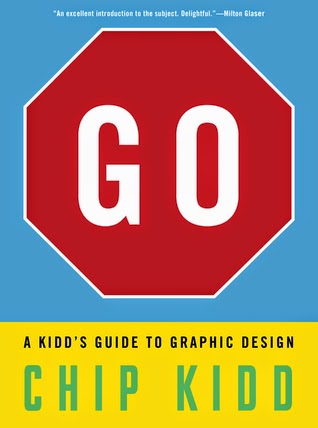
Go: A Kidd's Guide to Graphic Design


Nonfiction Picture Book Wednesday is hosted by Aly at Kid Lit Frenzy. 
Every Wednesday, bloggers link up their non-fiction picture book reviews. Be sure to visit Kid Lit Frenzy and see what great non-fiction books are shared this week!


Title: Go: A Kidd's Guide to Graphic Design
Author: Chip Kidd
Publisher: Workman Publishing Company
Publication Date: October 8th 2013
Genre/Format: Non-Fiction/Picture Book
GoodReads Summary: “An excellent introduction to graphic design through [the author’s] own excellent work. Anyone interested in the subject, including most practitioners, will find it delightful.”—Milton Glaser

Kids love to express themselves, and are designers by nature whether making posters for school, deciding what to hang in their rooms, or creating personalized notebook covers. Go, by the award-winning graphic designer Chip Kidd, is a stunning introduction to the ways in which a designer communicates his or her ideas to the world. It s written and designed just for those curious kids, not to mention their savvy parents, who want to learn the secret of how to make things dynamic and interesting.

Chip Kidd is the closest thing to a rock star in the design world (USA Today), and in Go he explains not just the elements of design, including form, line, color, scale, typography, and more, but most important, how to use those elements in creative ways. Like putting the word go on a stop sign, Go is all about shaking things up and kids will love its playful spirit and belief that the world looks better when you look at it differently. He writes about scale: When a picture looks good small, don t stop there see how it looks when it s really small. Or really big. He explains the difference between vertical lines and horizontal lines. The effect of cropping a picture to make it beautiful or, cropping it even more to make it mysterious and compelling. How different colors signify different moods. The art of typography, including serifs and sans serifs, kerning and leading.

The book ends with ten projects, including an invitation to share your designs at GoTheBook.com

What I Think: I absolutely love this book. I found it fascinating from beginning to end. Design thinking has been on my mind since I participated in Understanding by Design training in July. As I've been talking to more and more people this year about blogging, I find myself telling them that they can set up a simple blog and that I've been working on mine, tweaking the design, moving things around, changing the layout and the theme for a long time now. My blog has evolved over time and I've had fun tinkering with it. I've been working on a website for a couple months now and I haven't made it live yet because I'm not happy with what it looks like and how it represents me just yet. 
     This book helped me see and name some of the thoughts that go through my head as I've worked on my blog and website but I also notice this extends into my writing as well. I saw a great example of varying sentences the other day on Twitter. It showed a version of a paragraph with the sentences basically saying the same thing with sentences of similar structure and then a paragraph with sentences of similar content but with varying sentence structure to show how much more lyrical it is. As writers we design with words and I think that's what makes it an art.
     I honestly could go on and on about this book, what I learned and how it made me think. There were definitely some new design ideas that I'm looking forward to trying. I love that there are ideas here that gave me a concrete way to be creative. So often creativity seems abstract and innate but this book made it feel like it's possible to learn to be creative and I think that might be a relief to some students.
     As a mentor text, I grabbed a snatch of text from the very beginning when the author is talking to the reader. Looking closely at attention grabbers or hooks in non-fiction writing is so much fun. Kidd doesn't disappoint. I really enjoy how he uses 2nd person. It's not very often that 2nd person is used but I think it's a great example of how to hook a reader. I listed a few other books that use 2nd person and/or have great hooks as books that would match well with this.
     One more thing...at the end of this book, there is a great extension for students. After reading about all of the design ideas outlined in the book, Kidd offers some projects that students can try. Bonus!
Read Together: Grades 3 - 12
Read Alone: Grades 4 - 12
Read With: Extreme Earth by Seymour Simon, Locomotive by Brian Floca, Choose Your Own Adventure books
Snatch of Text:
"CONGRAT-
ULATIONS,
you have decided to open 
this book, even though you 
have no idea what it's about 
because the cover doesn't 
tell you much. In fact, the 
cover is weird and seem-
ingly at cross-purposes 
with the message and pos-
sibly even a bit pretentious. 
But you opened it anyway."
Writing Prompts: Complete one of the projects at the end of the book and then write about what you thought about as you completed the project and how you felt about being a designer.
Topics Covered: Integration - Art, Creativity, Intentionality, Purposefulness, Motivation, Belief
I *heart* It:
 

Wednesday, June 26, 2013

Life in the Ocean


Nonfiction Picture Book Wednesday

Nonfiction Picture Book Wednesday is hosted by Kid Lit Frenzy. Every Wednesday, I'll review non-fiction picture book. (It may not always be a picture book.) Be sure to visit Kid Lit Frenzy and see what other non-fiction books are shared this week!

Title: Life in the Ocean 
Author: Claire A. Nivola 
Illustrator: Claire A. Nivola 
Publisher: Farrar, Straus and Giroux 
Publication Date: March 2012 
Genre/Format: Non-Fiction Biography/Picture Book 
GoodReads Summary: Sylvia Earle first lost her heart to the ocean as a young girl when she discovered the wonders of the Gulf of Mexico in her backyard. As an adult, she dives even deeper. Whether she’s designing submersibles, swimming with the whales, or taking deep-water walks, Sylvia Earle has dedicated her life to learning more about what she calls “the blue heart of the planet.” With stunningly detailed pictures of the wonders of the sea, Life in the Ocean tells the story of Sylvia’s growing passion and how her ocean exploration and advocacy have made her known around the world. This picture book biography also includes an informative author’s note that will motivate young environmentalists.
What I Think: I just looked up Sylvia Earle on wikipedia and it says she is 77 and was named First Hero for the Planet by Time magazine. I have to be honest that I had never heard of Sylvia Earle before reading this book and yet she is a very famous oceanographer.
     Claire Nivola does a wonderful job of telling Sylvia's tale and gracefully weaving in bits and pieces of her life. There is one page where she jumps from various times in her life to move the story along and it struck me how expertly she did that. It also made me stop and wonder if I remember that happening in other non-fiction narrative picture books so I want to go look back at Here Come the Girl Scouts by Shana Corey because I vaguely feel like I remember it in that text as well. After reading Save the Cat, a screenwriting book by Blake Snyder, I'm so much more aware of structure in stories or the different "beats" of a story as he calls them. It would be a great activity to pull different biography picture books to see how the beats overlap, what a great text analysis that would be!
     I think biographical picture books are such a great way to introduce students to influential people of the past and present. I know I connect so much more with a person from reading a picture book or other narrative non-fiction than from reading the informational type books that don't use a narrative style. I do think there is a benefit of combining both and also incorporating online reading as well. It might be a lot of fun to ask students to think about the most random thing and then research who invented that object and do research on that. This would tie in perfectly with Chris Lehman's ideas in Engergize about approaching research in a more authentic way. I'm sure there are people behind inventions whose story isn't very exciting but I'm also sure are fascinating stories out there. I can see how this would even be a great activity for partner or small group work so students could gather their information and discuss together whose story they would want to really research extensively and write about. When I read The Devil in the White City, I was shocked to find out why the Ferris wheel is called a Ferris wheel and how it came to be that Ferris wheels even exist! Oh! Now I just sparked my own idea for a possible picture book! Off to see if there are books already written about this and if there is even enough information to be able to write this. I can see students getting excited about writing their own!
Read Together: Grades 3 - 12
Read Alone: Grades 3 - 12 
Read With: Can We Save the Tiger by Martin Jenkins, The Fantastic Undersea Life of Jacques Cousteau by Dan Yaccarino, The Lorax by Dr. Seuss, Here Comes the Girl Scouts by Shana Corey
Snatch of Text:  
     "Sylvia has even heard whales singing while she has been underwater, and, once, the force of the sound saves made her entire body vibrate and shake. Wavelengths of light do not penetrate deep into water, but sound waves travel four times faster in water than in air, so whales can communicate across vast distances. Sylvia says that hearing their haunting and beautiful songs in the sea is like being inside the heart of an orchestra."
Reading Strategies to Practice: Activating Background Knowledge, Making Connections, Visualizing
Writing Strategies to Practice: Expository, Descriptive, Simile, $100 Words, Word Choice
Writing Prompts: Describe an experience you had in or near water, either in an ocean or other body of water or a pool. Use your five sense and be conscious of your word choice as you show, don't tell.  
Topics Covered: Values, Beliefs, Determination, Passion, Integration - Science, Oceans, Animals, Perseverance,
I *heart* It:

It’s Monday! What Are You Reading? 08/28/2023

  It’s Monday! What Are You Reading? From Picture Books to YA!   It's Monday! What are you Reading? is a weekly blog hop hosted by Kelle...